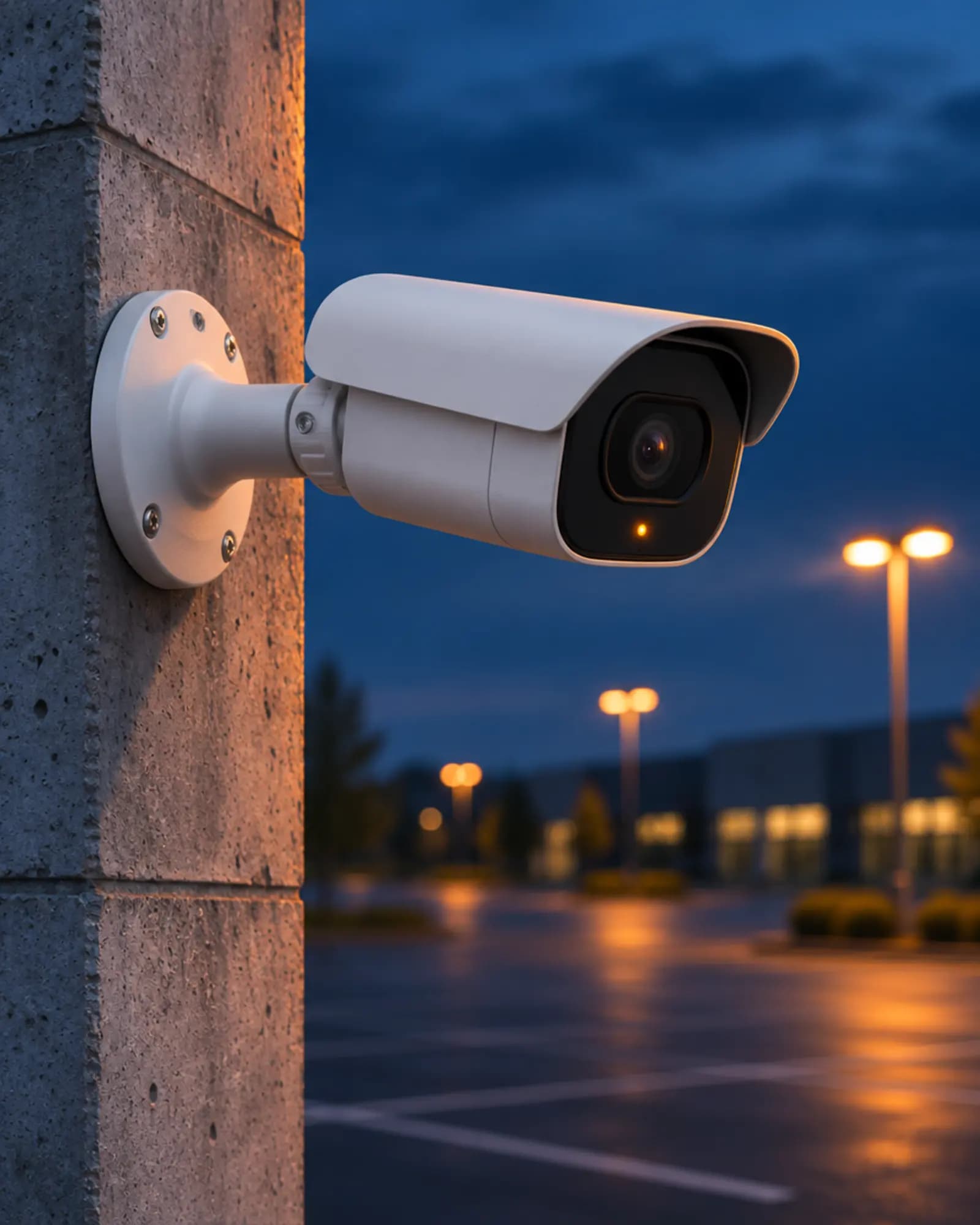
A modern alarm can push a notification to your phone within seconds. On paper that sounds perfect: someone enters the house and you know immediately. In practice there is a big gap between knowing and doing something about it, and that gap decides whether a break-in ends with a broken window or an emptied house.
When a text from your alarm fails
Answer a few questions honestly:
- Is your phone really always on, charged and with you?
- Will you pick it up in a meeting, at the doctor's, in the cinema or at three in the morning?
- What will you do when the alarm reports an intrusion while you are on the other side of the country or on holiday?
- Do you expect the police to arrive the moment you call about a possible intruder?
- Would you go and check in person, and risk meeting someone who may be armed?
For most people the answers are uncomfortable. A text tells you something is happening, then leaves the next step to you at the worst possible moment.
What a monitoring centre is
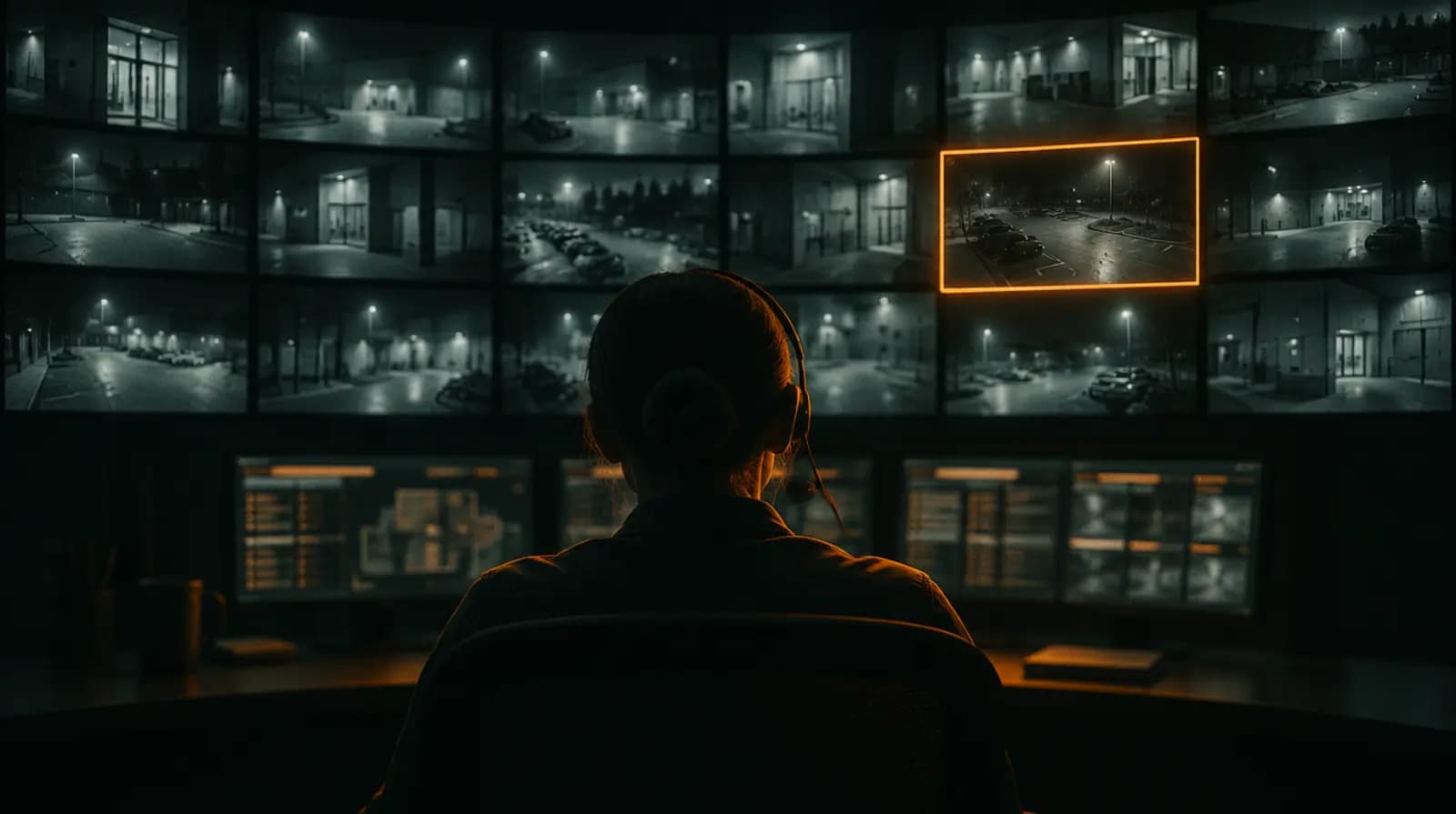
A central monitoring station (PCO in Slovak) is an operations centre your alarm system is permanently connected to. Every alarm, tamper, power failure or communication fault goes straight to an operator who is on duty 24 hours a day, 7 days a week, every day of the year, with one job: looking after your property.
The difference is fundamental. The alarm no longer ends on your phone; it ends with a person who knows what to do and has a response patrol at hand.
What happens when the alarm goes off
- Detection. A motion, door or glass-break detector picks up the intrusion. Cameras wired into the alarm can catch it even earlier, on the grounds or at the fence.
- Transmission. The panel sends a signal to our station over the standard CID or SIA protocols supported by most systems on the market.
- Verification. If there are cameras on site, video monitoring shows the operator the scene instantly. The clip is saved as an event, so nobody has to search through footage later.
- Response. The operator dispatches a response patrol and contacts you, or the people you nominated, at the same time.
- Check and record. The patrol inspects the property, the operator logs the event and agrees next steps with you.
All of it runs without you lifting a finger, whether you are at home, at work or abroad.
No need to replace your alarm
Many people assume a monitoring connection means a new system. It usually doesn't. Our operations centre runs receivers that accept premises with an alarm from any manufacturer, as long as it communicates over CID or SIA. Your current system typically just needs the right configuration.
If you have an Ajax system, we are an authorised monitoring station, so connecting is a matter of settings in the app.
Video monitoring: cameras that finally work for you
Most people use cameras for the occasional look on their phone. After an incident, someone spends hours scrolling footage. Video monitoring flips that: on alarm it notifies us and shows the clip of the intruder straight away. The operator often sees the person before they reach the building and can act sooner.
Who benefits from a monitoring connection
- Family homes that stand empty during the day or on holiday.
- Businesses, warehouses and workshops with valuable goods or equipment after hours.
- Shops holding cash or expensive stock.
- Farms and agricultural sites with machinery, fuel and supplies in remote places.
- Holiday cottages you only visit now and then.
The rule is the same everywhere: during a break-in you do not want to depend on noticing a message at the right moment.
Frequently asked questions
What if it is a false alarm?
That is what verification is for. The operator checks the footage and confirms the situation with you, so the patrol does not head out needlessly and you do not have to handle every alarm yourself.
Can I still control the system from my phone?
Yes. A monitoring connection does not replace your app, notifications or controls.
How to start
Just call or write. We will check what system you have, whether it can be connected to our station and what might be worth adding. If you have no alarm yet, we will design a solution from scratch, including cameras and monitoring.
Get in touch and we will check whether your alarm can be connected.